


Nov 15, 2025
For high school STEM students eager to challenge themselves with advanced concepts, real-world research, and an undergraduate-level academic experience, the following programs are some of the very best the US has to offer. These highly selective pre-college programs immerse students in active laboratory research led by university faculty and a mix of graduate and undergraduate students.
Some of the below programs are fully funded, while others are tuition-based with generous need-based aid. Some are open to international students while others are available only to US students. Unsurprisingly, all are extremely competitive—often on par with Ivy League acceptance rates. But for the students who are accepted, these programs will deliver all kinds of potential values: science fair submissions, continued real-world research opportunities, conferences and co-authored paper publications, faculty recommendation letters, and more.
The programs below are excellent at identifying academic talent and they universally aim to cultivate the next generation of leading scientists, researchers, physicians, and engineers. For high-achieving students hoping to show top-tier college admissions offices that they can handle the rigors of undergraduate STEM research, there are no better places to apply.
Note that we only include programs in the below list if they admit all US students with equal consideration.
1: Research Science Institute (RSI)
2: Simons Summer Research Program
3: Stanford Institutes of Medicine Summer Research Program (SIMR)
5: Garcia Summer Scholars Program
6: Boston University RISE Internship / Practicum
7: Summer Science Program (SSP)
8: UCSB Research Mentorship Program (RMP)
9: Rockefeller University Summer Science Research Program (SSRP)
Widely regarded as the most prestigious and best-known STEM program in the world for high school students, RSI combines a week of theory at MIT with five weeks of mentored research under leading scientists and engineers. Students pursue independent projects across physics, biology, computer science, and more, producing publishable-quality research and presenting at a formal symposium.
RSI looks for students with demonstrated research potential—often through Olympiad-level performance, science fairs, or prior experience. Essays and teacher recommendations carry exceptional weight—in fact, the writing portion of the RSI application is more exhaustive and intense than any college application. Students intending to apply should be prepared to work hard long before they get anywhere near RSI itself.

The Simons Program pairs high school students with faculty mentors at a major research university for six weeks of lab work, culminating in a written paper and poster session. Participants engage in authentic research across chemistry, physics, engineering, and biosciences. Many co-author papers or continue their projects into national competitions.
The Simons Program is ideal for students with prior research or lab experience who are able to clearly articulate their specific research goals and connect these interests to specific faculty mentors—these answers will be used in the faculty mentor matching, a critical part of the admissions process. Selection emphasizes top grades and standardized test scores and clarity of research interests—but prior research is not a requirement for admission. Anyone considering the program should note that each high school is only allowed to nominate two students each year—especially at competitive schools, students should be ready to get in line early.

SIMR places high school students in Stanford medical and bioscience labs for eight weeks, exposing them to cutting-edge work in genomics, cancer biology, and bioengineering. Students work full 40-hour weeks to contribute to ongoing faculty research and attend professional development seminars while having access to other Stanford on-campus opportunities. Essays that reveal scientific depth, prior research experience, and genuine motivation for SIMR’s specific focuses tend to stand out in the admissions process.

Clark is one of the few fully funded residential summer research programs open to high school juniors and seniors across all STEM fields. For seven weeks, students engage in one-on-one faculty mentorship, research, and interdisciplinary seminars capped by a professional research symposium.
Clark is one of the most competitive programs in the country. Academic distinction and intellectual independence are key and the application requires that students write detailed essays about their specific research interests. The small cohort ensures deep mentoring and tangible research outcomes; unlike most programs listed here, Clark is not confined to STEM and will accept students in any academic discipline offered by Texas Tech.
The Simons Program pairs high school students with faculty mentors at a major research university for six weeks of lab work, culminating in a written paper and poster session. Participants engage in authentic research across chemistry, physics, engineering, and biosciences. Many co-author papers or continue their projects into national competitions.
The Simons Program is ideal for students with prior research or lab experience who are able to clearly articulate their specific research goals and connect these interests to specific faculty mentors—these answers will be used in the faculty mentor matching, a critical part of the admissions process. Selection emphasizes top grades and standardized test scores and clarity of research interests—but prior research is not a requirement for admission. Anyone considering the program should note that each high school is only allowed to nominate two students each year—especially at competitive schools, students should be ready to get in line early.
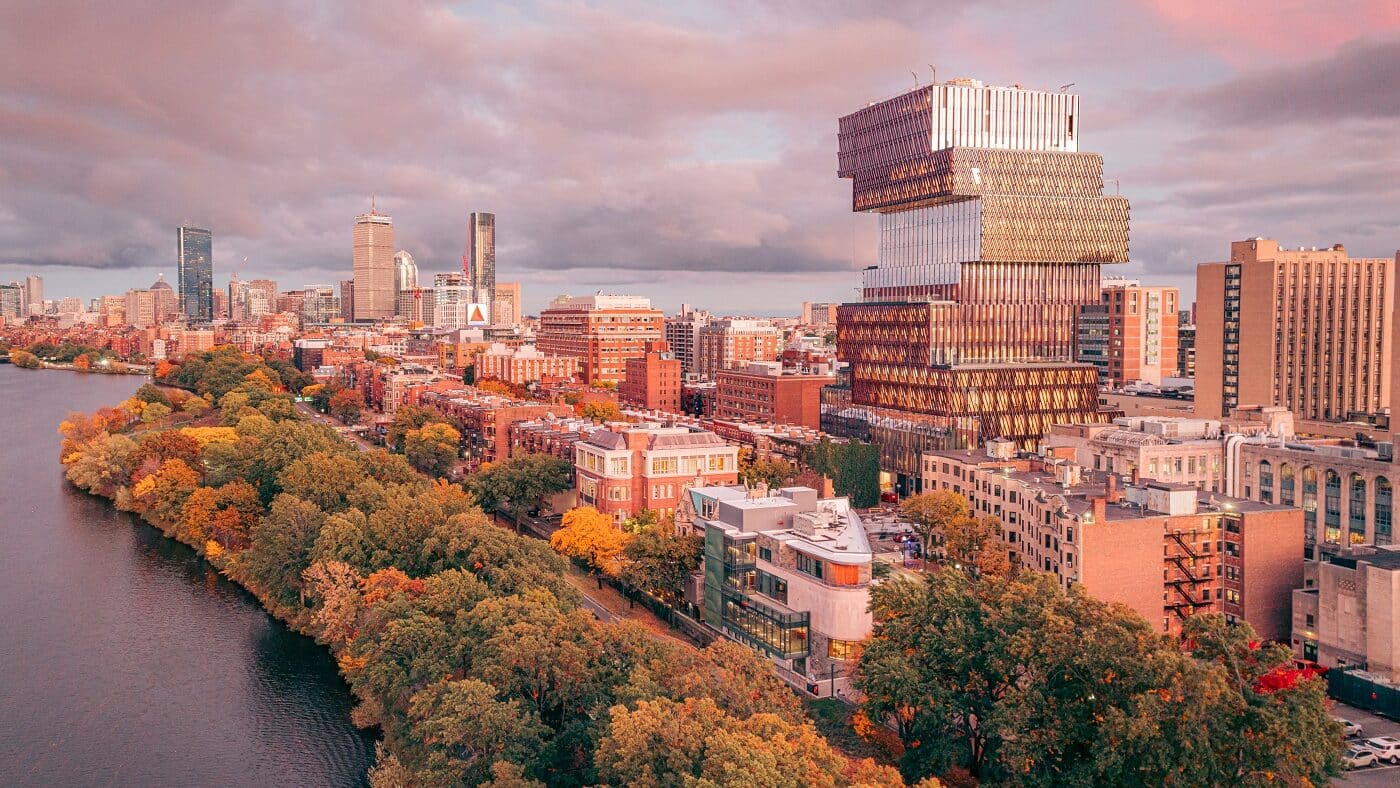
RISE offers two tracks: the Internship, placing students in BU research labs under faculty mentors, and the Practicum, a structured group research experience. The Internship track is widely considered to be more prestigious, more competitive, and more academically flexible, featuring potential access to dozens of Boston University faculty labs and projects. Admitted students receive exposure to professional research environments in neuroscience, chemistry, engineering, computer science, and other fields.
Like several other peer programs, RISE uses a multi-stage admissions process that includes a faculty mentor matching phase. Applying students are expected to write nuanced essays connecting their interests with multiple Boston University faculty who participate in the program—and yes, these professors carefully read applicant essays before taking on a new lab member.
Founded in 1959, SSP is one of the longest-running and most respected pre-college research programs in the world. Students collaborate on team research projects in astrophysics, biochemistry, or genomics. SSP is cohort-based, intensive, and data-driven; students co-author real scientific findings, often submitted to professional journals.
SSP favors collaborative learners who can balance independence with teamwork. Analytical strength and curiosity are prized. Although it is one of the few top-tier programs not affiliated with a single university, SSP has long been known for the intensity of its academic experience, its deeply loyal alumni body, and its competitive application process.
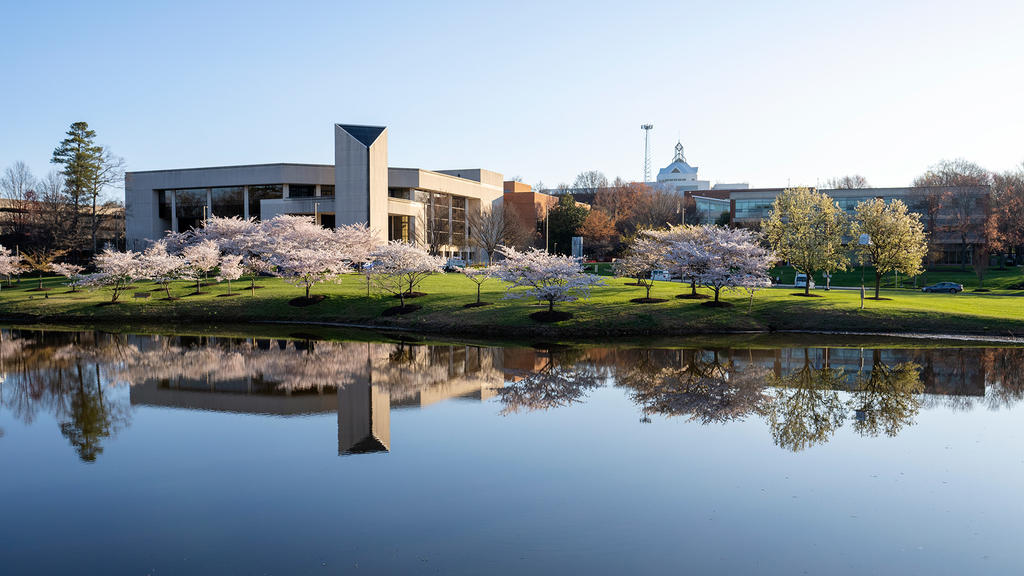
ASSIP offers a full-time, seven-to-eight-week research experience that places high school students directly into George Mason University or partner institution laboratories. Participants work alongside professional scientists on authentic, faculty-led research projects in disciplines ranging from molecular biology and chemistry to computer science, engineering, and environmental science. The program culminates in a formal research symposium where students present their findings to faculty, peers, and community members.
ASSIP is one of the rare university-affiliated STEM research programs that is completely free to attend, removing financial barriers while maintaining academic rigor. Students are selected based on curiosity, prior coursework, and the clarity of their research interests. Each year more than a thousand applicants compete for roughly a hundred spots, making admission highly selective.
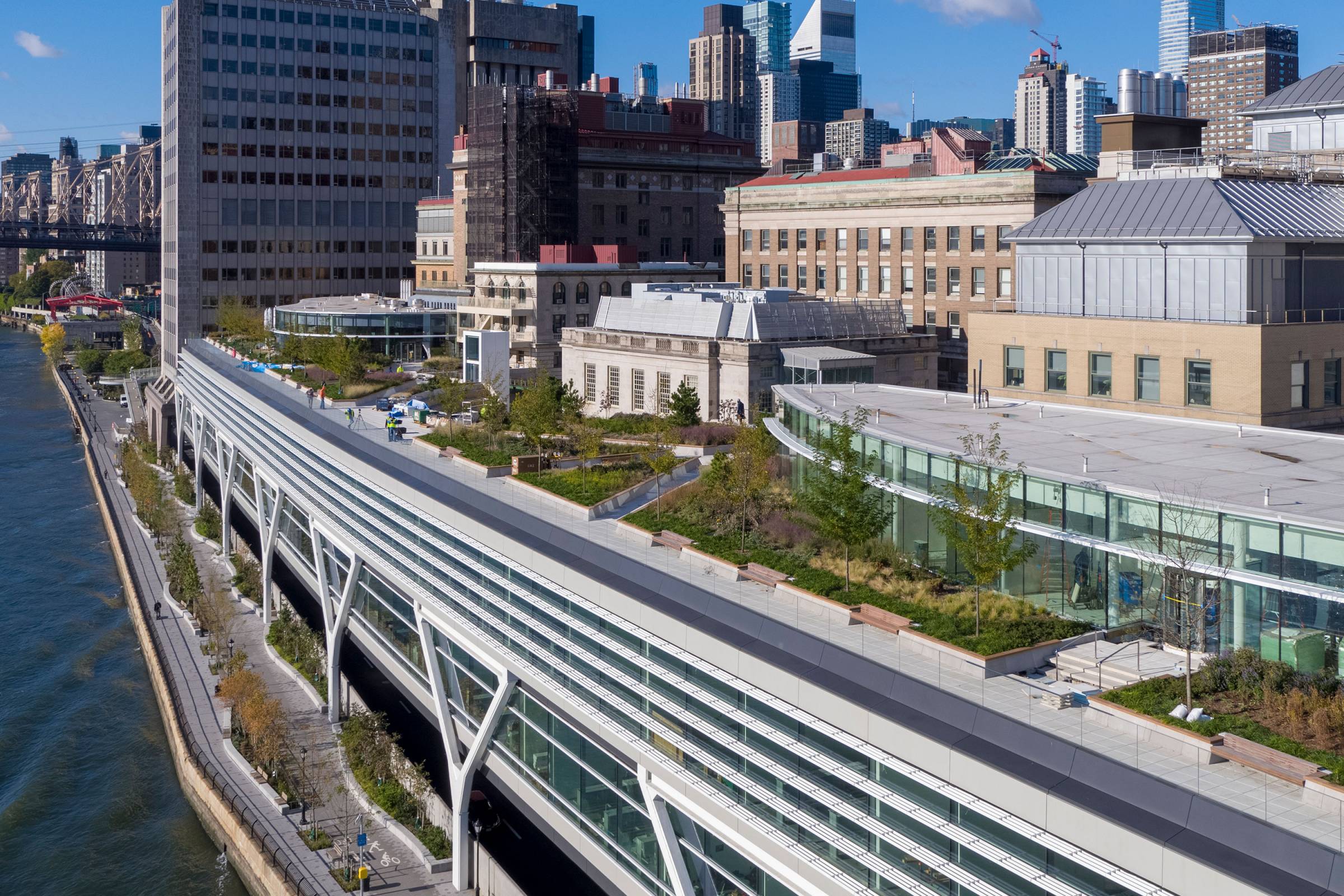
SSRP is a free, on-campus, seven-week team-based biomedical research program run by Rockefeller’s RockEDU Science Outreach. Students work in dedicated RockEDU laboratories on real research projects led by scientist-mentors, with a structure that mirrors how Rockefeller labs function. Programming includes elective mini-courses, guest lectures, and a culminating poster session. SSRP offers mentored, team-based research in Rockefeller facilities; near-peer mentorship by trainees; elective scientific courses and community-building events; formal poster presentations at the end of summer. In keeping with SSRP’s research-for-the-sake-of-research mindset, participating students are barred from using research for science fair competitions.
SSRP emphasizes authentic lab immersion and collaborative research; strong scientific curiosity, readiness for team-based inquiry, and clear motivation for biomedical research help applications stand out.
A collaboration between NASA and UT Austin’s Center for Space Research, SEES combines remote data analysis training with a residential research experience focused on Earth and space sciences. Students analyze NASA datasets, model planetary or climate systems, and present findings to NASA scientists. SEES is unusually team-based and collaborative, and students work in groups to conduct research on specific projects like climate science or microgravity. Past projects have led to national science fair recognition and other accolades.
Category: The programs featured here were chosen by BestSummerPrograms solely on the basis of reputation, academic rigor, and verified student experience. BestSummerPrograms is not compensated by any of the programs listed here.
© 2026 BestSummerPrograms
